benlong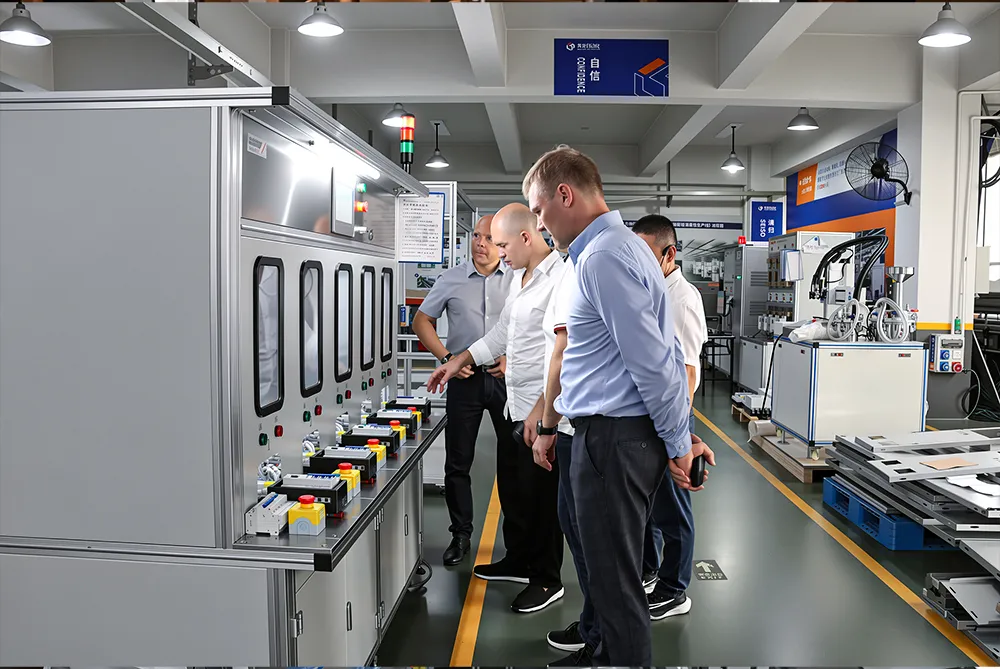



MCB Electrical Endurance Test Bench
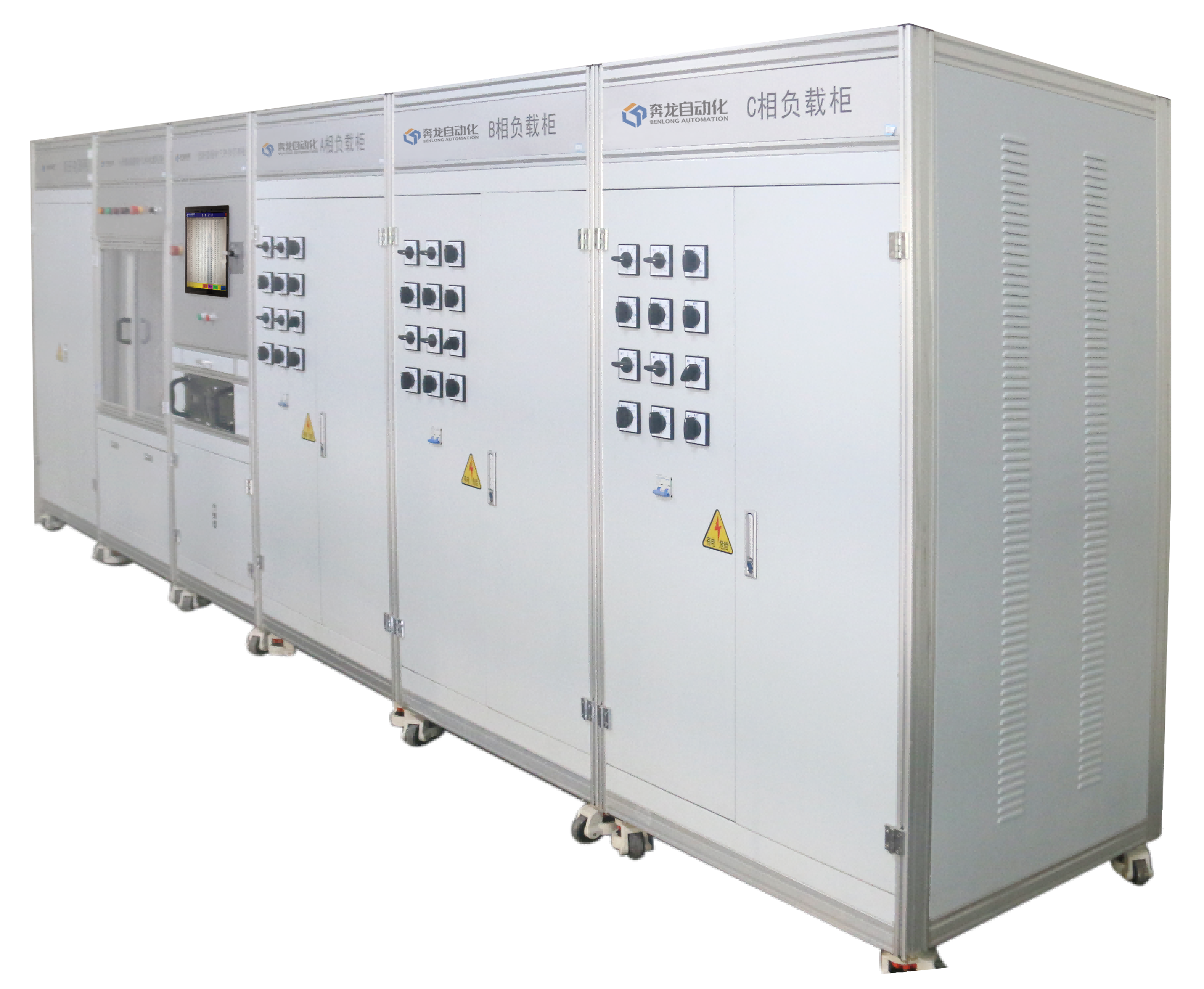
Benlong MCB electrical endurance test bench compliant with IEC 60898‑1 Clause 9.11. Programmable L‑R load (PF 0.85), real‑time contact voltage drop & arc monitoring, auto shutdown on contact welding. For certification labs and MCB manufacturing QA.
MCB Electrical Endurance Test Bench
The MCB Electrical Endurance Test Bench is a sophisticated automated testing system intended for testing the electrical life and switching characteristics of Miniature Circuit Breakers (MCBs) at rated operational configurations as per IEC 60898-1 (Clause 9.11) and IEC 60947-2. The test bench measures the MCBs’ ability to endure making and breaking the electrical connection repeatedly while under an Iₙ (Rated current) and Uₙ (Rated voltage) power source. During these tests, the contact of the MCBs must not weld, arc excessively, or show signs of mechanical failure.
An actuating system that can be operated with a precise timing and velocity control via servo with inductive-resistive (L-R) programmable load bank (cos φ=0.85 ±0.05) having power factor and a PLC (Programmable Logic Controller) that interfaces to a dedicated data acquisition (DAQ) system that monitors contact voltage drop, arc duration, and temperature increase for each cycle. An automated sensing array that detects failures to trip or contact welding will initiate a safety shutdown. All test data, including cycle counts, current waveform and temperature logs, is stored in a cloud-accountable database for complete traceability and compliance.
Standard delivery: 45-60 days | Test cycles up to 20,000 | IEC 60898‑1 Clause 9.11 compliant

What is an MCB Electrical Endurance Test Bench?
The purpose of a MCB electrical endurance test bed is to provide a means of quantifying how long a miniature circuit breaker will last after being subjected to many repetitive electrical switching actions. Unlike mechanical lifecycle tests, where the circuit breaker is operated without load, electrical endurance tests operate under loading conditions by applying the rated current and voltage during each ON and OFF cycle. This tests the miniature circuit breaker in a manner similar to what it would encounter if used in actual applications, during which arcs, contact erosion, and thermal stresses occur. As it is required to provide testing for type testing, quality assurance, and certification to IEC 60898-1 (Clause 9.11) and IEC 60947-2, this apparatus is an important part of the development and certification of an MCB. Typical features of an MCB electrical endurance bench include a programmable L-R load bank, servo-driven actuation, real-time monitoring of contacts, and automatic fail-safe shutoff.
Fully compliant with electrical endurance test requirements for MCBs.
Power factor adjustable (0.85 ±0.05). Supports rated current and overcurrent testing.
Measures voltage drop, arc duration, and contact resistance per cycle.
Detects contact welding or trip failure; stops test and logs fault cycle.
Machine Features & Testing Process




Technical Specifications
| Applicable standards | IEC 60898‑1 (Clause 9.11), IEC 60947‑2 |
|---|---|
| Test scope | Electrical endurance (make/break) under rated current (Iₙ) and voltage (Uₙ) |
| Load bank type | Inductive‑resistive (L‑R), programmable. Power factor adjustable 0.7–1.0 (default 0.85 ±0.05) |
| Voltage range | Up to 440V AC (single‑phase or three‑phase, configurable) |
| Current range | 6A – 125A (programmable, per MCB rating) |
| Test cycles (endurance) | |
| Actuation system | Servo‑motorized, speed 6–30 operations/minute (adjustable), stroke programmable |
| Monitoring parameters | Contact voltage drop (mV), arc duration (ms), contact temperature (°C), cycle count |
| Failure detection | Welded contact detection, failure to trip, excessive temperature – auto shutdown + alarm |
| Control & data logging | PLC (Siemens) + HMI, DAQ module, Ethernet / OPC UA, CSV or SQL export |
Core Technical Advantages
Real‑world arc simulation
The L‑R load bank reproduces realistic power factor (0.85) and inrush conditions, essential for verifying contact erosion and arc quenching performance.
Per‑cycle contact analysis
High‑speed DAQ captures voltage drop and arc duration for every operation. Trending data identifies gradual contact degradation before failure.
Automated safety shutdown
If contacts weld or the breaker fails to trip, the system immediately cuts power, stops actuation, and logs the failure cycle – protecting both the equipment and the test sample.
Certification‑ready reporting
All test results (waveforms, temperature logs, cycle counts) are stored in a tamper‑evident database, generating audit‑ready reports for IEC/UL certification bodies.












Customer Success Story
In order to carry out IEC 60898-1 Clause 9.11 electrical endurance testing for 30 different MCBs (ranging from 6A to 63A), an international certification lab used our MCB electrical endurance testing rig, which enabled them to be completed in 12 weeks – a 50% time saving over their previous set up.
Automated contact monitoring and failure detection per cycle allowed them to determine that there was a contact material problem with one of their prototype designs, allowing them to correct this problem prior to production.
The bench in the laboratory is now being used for all regular testing of electrical endurance and this test method has been accredited as compliant with ISO 17025.
Applications and Test Environments
Standard Delivery and Commissioning
Request a Custom Electrical Endurance Test Bench Quote
Please send MCB specifications (current ratings, testing cycle, power factors) and target test volume to us, our engineers can provide a compliant solution per IEC 60898-1 for Clause 9.11.
WhatsApp: +86 150 5837 0007 | Email: xsb@benlongkj.cn | English & Chinese support
Why Choose Benlong for Electrical Endurance Testing?
- 15+ years designing MCB electrical endurance test benches for labs and factories
- Proven L‑R load bank technology with precision power factor control
- Real‑time contact monitoring (voltage drop, arc duration, temperature)
- Automated fail‑safe shutdown – protects equipment and samples
- Audit‑ready data logging – SQL, OPC UA, or CSV export
Standard System Includes
Servo-actuated make or break mechanism
Programmable L-R Load Bank (includes Power Factor Adjustment)
High-Speed PLC (Siemens) + DAQ Module
HMI Touchscreen
Contact Voltage Drop Measurement Sensors
Temperature Monitoring (Thermocouples)
Safety Enclosure w/Emergency Stop
1 Set MCB Fixtures (1P/2P/3P/4P)
Certification of Calibration
Frequently Asked Questions
Testing of the mechanical characteristics of circuit breakers tests the mechanism without encountering any electrical current by using mechanical cycling – this only verifies that the mechanical durability of both the toggle and spring can withstand these cycles. The testing of the electrical endurance at the specified rated current and voltage for each cycle subjects the contacts to both arcing/erosion and thermal stress. Our electrical endurance testing stands as an example of this requirement for compliance to the IEC 60898-1 clause 9.11.
Inductive loads are required to have a power factor between 0.85 and 0.90 according to clause 9.11 IEC 60898-1. We have a variable-inductive resistances (L-R) load at our facility that can be set at either 0.85 or an alternate value, as requested.
Contact voltages and circuit continuity are monitored by the current testing system. If there is a failure to open (weld) or trip, the test stops, an alarm is activated, and a record of the failure cycle.
The bench has been engineered to operate 24/7. The standard testing cycle (endurance) is 20,000 cycles (the International Electrotechnical Commission – IEC requires 4000 or 10,000 based on the type of MCB). The system will log all data automatically, and it can also pause or continue when required.
Yes. The bench is capable of supporting MCBs that have 1P, 2P, 3P and 4P configurations to allow for multi-pole MCBs to have the actuation mechanism configured to actuate all poles synchronously and provide separate monitoring per pole.
Related Products
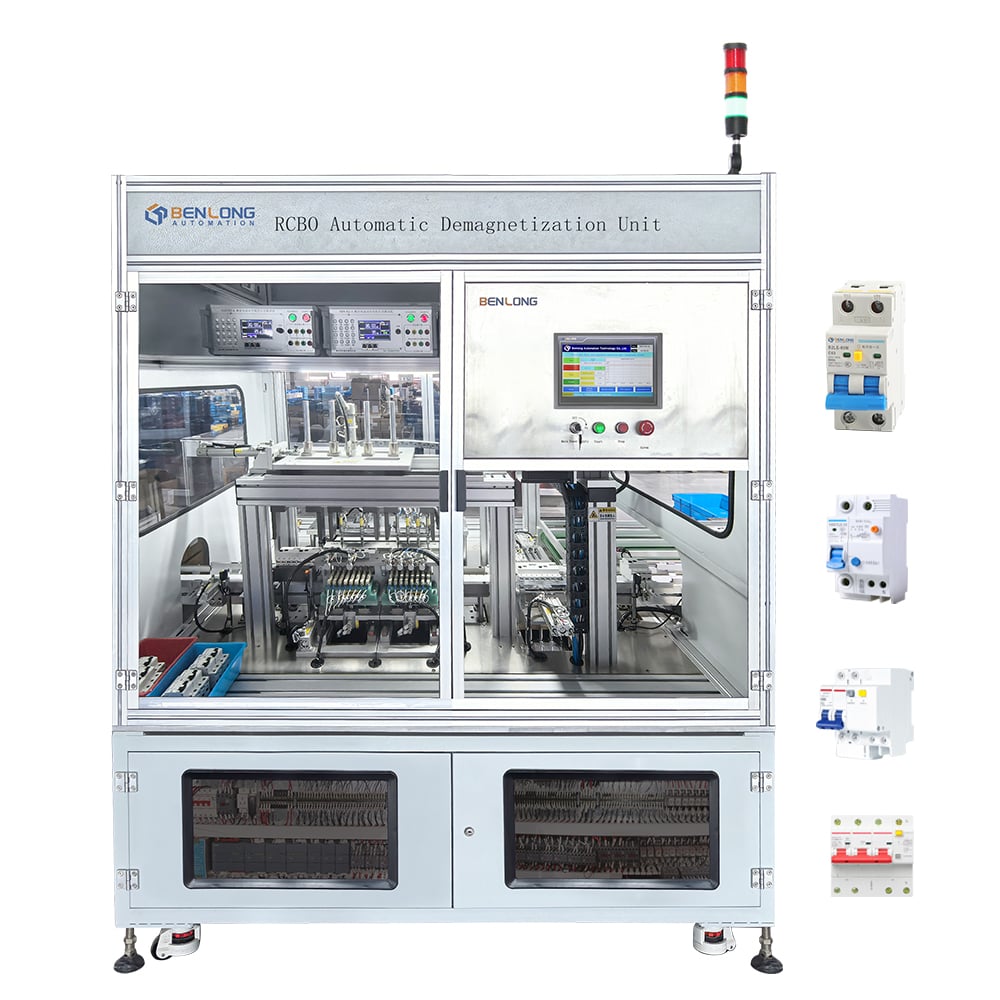
RCBO Automatic Magnetic Reset + Testing machine
View Details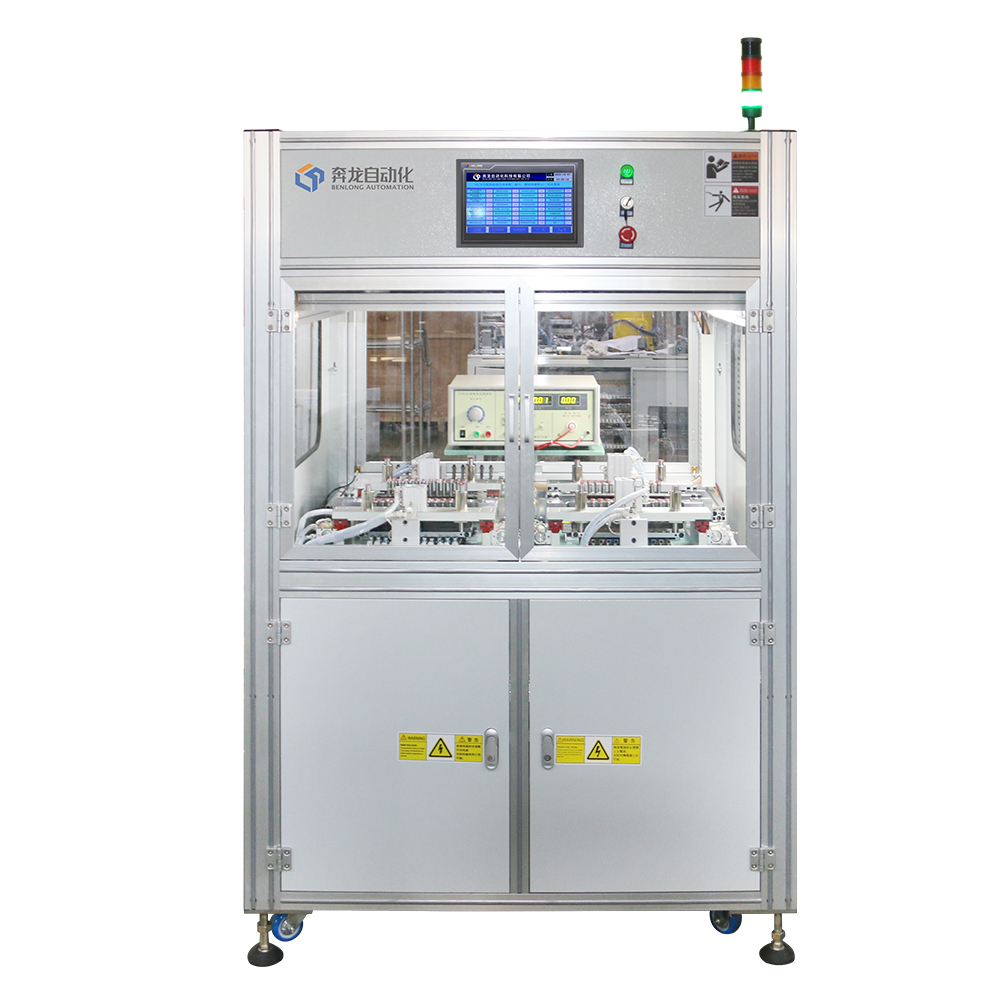
MCB automatic magnetic trip test + on-off & high voltage test machine
View Details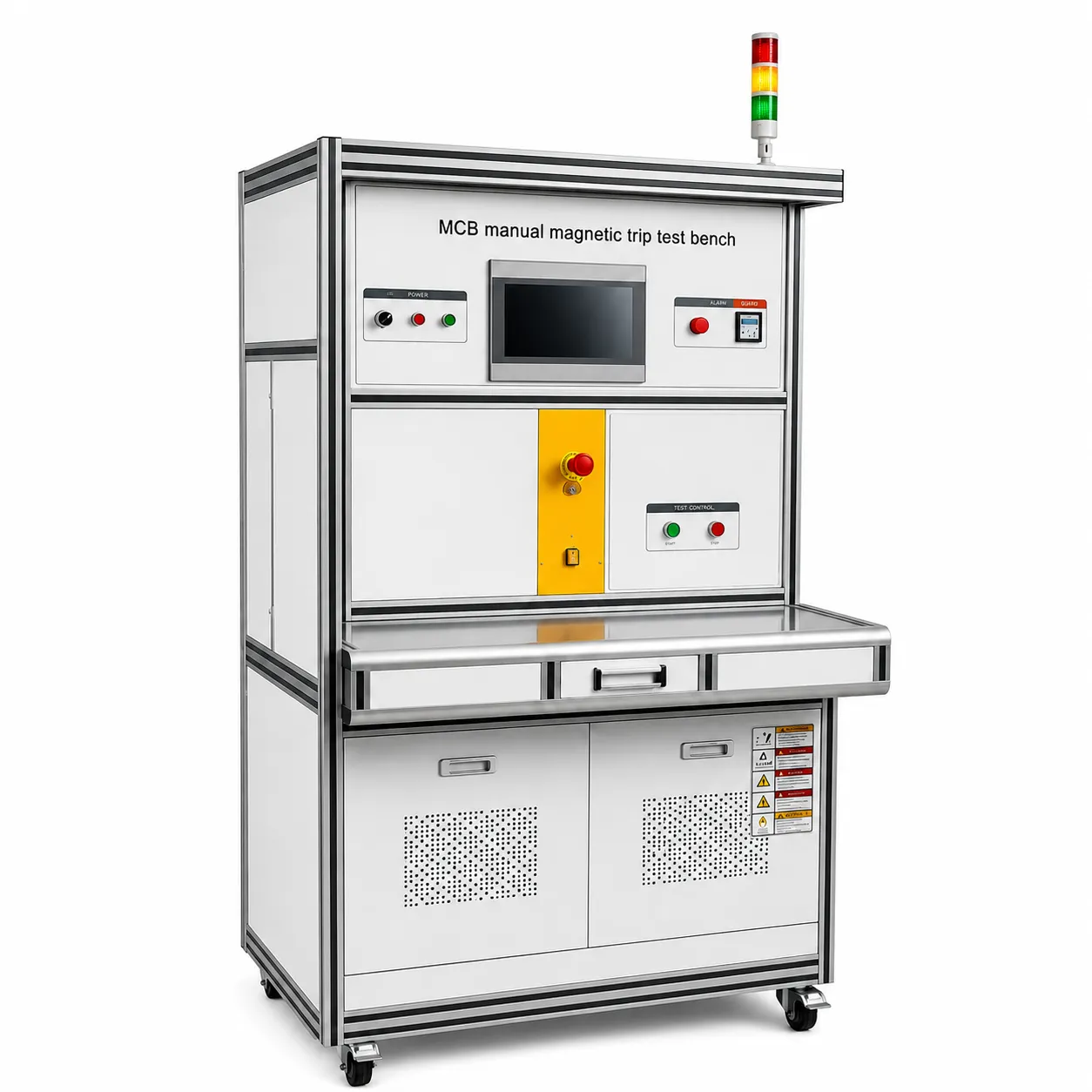
MCB manual magnetic trip test bench
View Details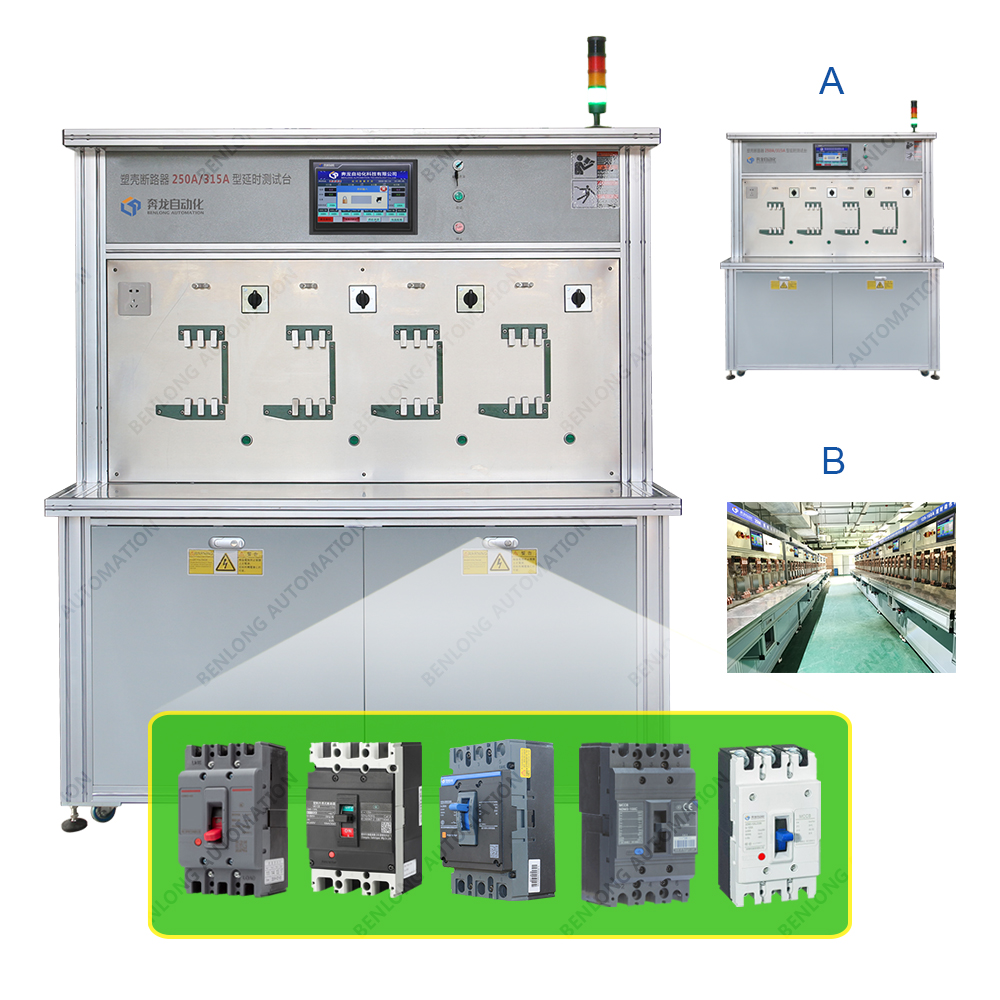
MCCB manual thermal calibration bench
View Details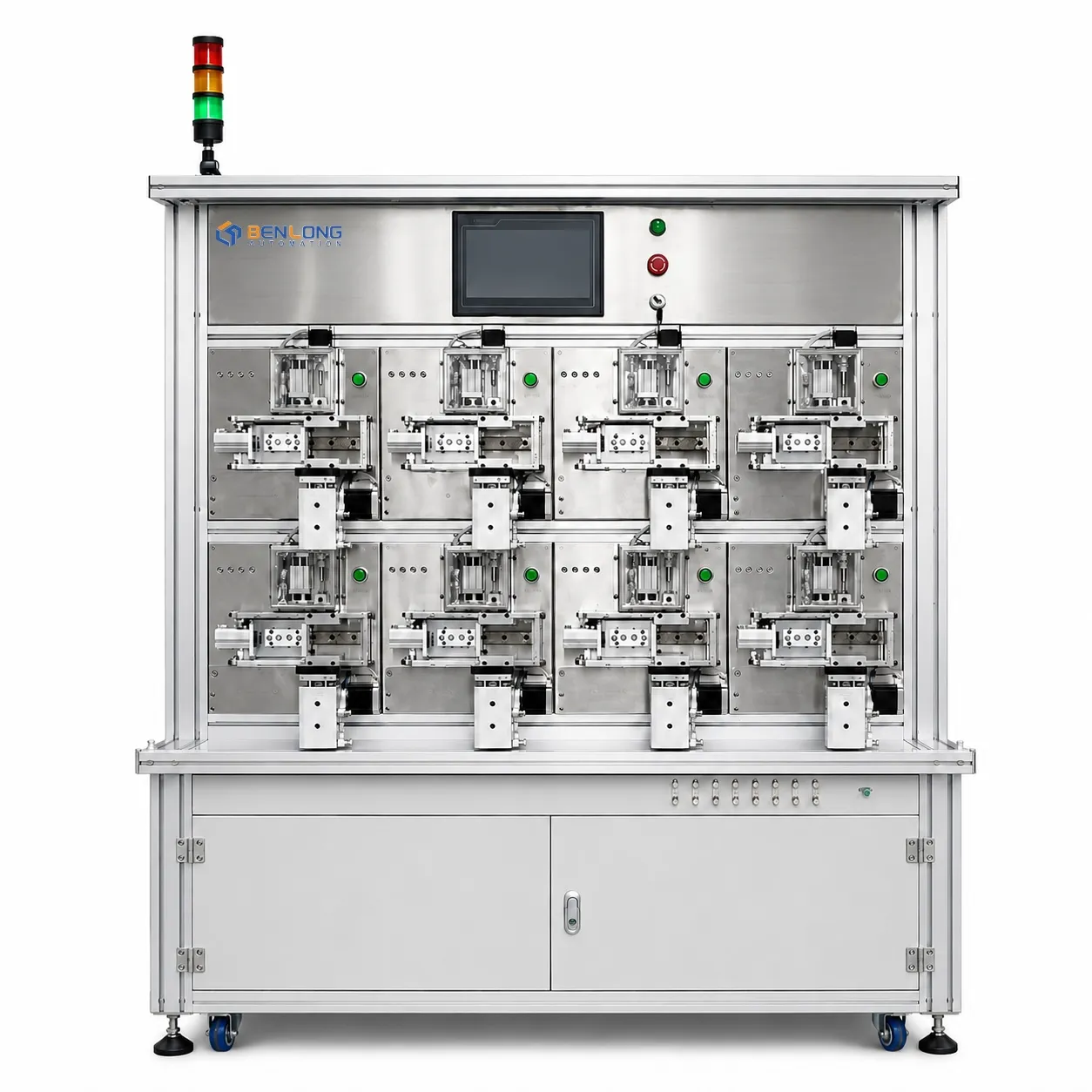
MCB semi-automatic thermal trip calibration bench Type-A
View Details